

The Allure of Gambling
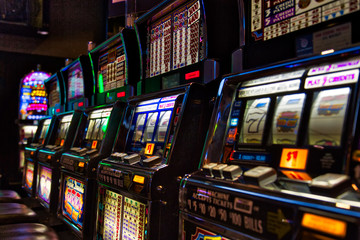
The world of casinos is steeped in allure, drawing players in with flashing lights, ringing coins, and the promise of easy wealth. This environment is intentionally crafted to create a euphoric experience, where players feel excitement and anticipation with every spin of the wheel and roll of the dice. Psychologically, this ambiance triggers the release of dopamine, the neurotransmitter associated with pleasure and reward. Many enthusiasts believe that finding the best online casino nz can enhance this experience, encouraging players to seek out the thrill that comes from both winning and the overall excitement of the game itself, which can often overshadow the inherent risks of gambling.
Moreover, the sensory overload of casinos serves to distract players from the potential losses they face. Bright colors, enticing music, and captivating visuals create an immersive environment that can lead to overconfidence in one’s gambling abilities. This phenomenon, often referred to as the “illusion of control,” suggests that players may believe they can influence the outcome of games based on their skills or strategies, despite the odds typically being in favor of the house. Such misconceptions can ultimately lead to greater financial losses as players continue to engage in games under false pretenses.
In addition, the social aspects play a significant role in the allure of gambling. Casinos often encourage social interaction through communal games, lounges, and events. This environment enhances the thrill of playing, as individuals share in the excitement of wins and losses with others. The combination of social reinforcement and the electric atmosphere can create a sense of belonging, transforming the experience into one that is not solely about winning money but also about connecting with others in an engaging activity that heightens emotional responses and fosters camaraderie.
The Role of Decision-Making
Understanding the decision-making processes among casino players is essential for grasping their psychology. Players often exhibit behaviors influenced by cognitive biases, such as the gambler’s fallacy, where individuals believe that past outcomes can influence future results. This erroneous belief can lead them to chase losses or place larger bets in anticipation of an imminent win, often resulting in greater financial ruin. Their decision-making becomes enmeshed in emotional highs and lows rather than rational thought, which can be particularly dangerous in the high-stakes environment of a casino.
Furthermore, impulse control is another significant factor in gambling behavior. Many players struggle with self-regulation, allowing emotions to dictate their betting patterns instead of a logical assessment of their financial limits. This often leads to impulsive decisions, such as increasing bets after a loss, in hopes of recovering funds quickly. The excitement of active gameplay and the urge to continue playing can easily override sound financial judgment, causing players to deplete their resources faster than they intended. The momentary highs of winning can further cloud their judgment, reinforcing a cycle of impulsive gambling that can be hard to break.

Additionally, the framing effect comes into play when players perceive their chances of winning. This psychological phenomenon suggests that how choices are presented significantly affects decisions. For instance, if players are informed about “winning streaks” in a game, they may overlook the risk factors involved, convinced that their chances are better than they really are. This perception can lead to repeated engagement in gambling activities despite negative outcomes, as players fixate on potential successes rather than considering their overall experiences and losses, which may contribute to the normalization of risky behavior.
Addiction and Compulsion
The potential for addiction among casino players is a critical aspect of their psychology. Gambling addiction, classified as a behavioral addiction, shares similarities with substance abuse disorders, wherein individuals become increasingly unable to control their gambling impulses. This addiction often arises from the same dopamine release associated with pleasure, prompting individuals to seek gambling as a form of relief from stress, anxiety, or depression. Consequently, this behavior creates a vicious cycle that can be challenging to break.
Furthermore, the symptoms of gambling addiction can manifest in various ways, including preoccupation with betting activities, withdrawal from social circles, and financial instability. As players chase the high associated with gambling wins, they may sacrifice personal relationships, work obligations, and even their mental health. The pursuit of that euphoric experience can overshadow the negative consequences, compelling individuals to gamble beyond their means. This behavior not only impacts their financial situation but also leads to significant emotional turmoil and isolation from friends and family.
Treatment for gambling addiction requires a multifaceted approach that may involve therapy, support groups, and sometimes medication. Cognitive Behavioral Therapy (CBT) is particularly effective in helping individuals recognize and alter their thought patterns related to gambling behaviors. Moreover, establishing support networks, such as family support or peer groups, can provide a crucial lifeline for those struggling with addiction, helping them navigate their path toward recovery while understanding the psychological factors that contributed to their gambling habits. Such interventions can significantly improve their chances of overcoming addiction and gaining control over their lives.
Behavioral Patterns of Players
Casino players often exhibit predictable behavioral patterns that can be categorized and understood through psychological frameworks. For instance, many players fall into specific archetypes, such as the recreational gambler who plays for enjoyment, the high-roller driven by the thrill of risk, or the strategic player who believes in using skills to gain an edge. Each type has distinct motivations and can exhibit varying levels of risk tolerance, which influences their gambling strategies and decisions. Understanding these archetypes can help casinos tailor their offerings to better meet the needs and expectations of different player types.
Additionally, players often develop rituals or superstitions surrounding their gambling behaviors. These can range from wearing lucky clothing to employing specific betting strategies based on perceived successes in the past. Psychological studies reveal that these rituals can enhance a player’s confidence and emotional investment in the game, but they may also lead to irrational decision-making based on unfounded beliefs regarding luck. For example, a player might insist on always betting the same amount or using a particular strategy, despite evidence that such practices do not influence the outcome of random games.
The consequences of these behavioral patterns can also vary based on context. For instance, players who frequent online casinos may display different behaviors compared to those who gamble in brick-and-mortar establishments, as the online environment can introduce anonymity and accessibility that amplify impulsive gambling tendencies. This difference can lead to more significant risks, as online players may find it easier to gamble larger amounts without the immediate social feedback that occurs in physical casinos. By understanding these behaviors, casinos can create tailored experiences that either enhance positive play or mitigate risks associated with excessive gambling.
Understanding Casino Players on a Deeper Level
To truly understand casino players, it is essential to delve into their unique psychological profiles and the factors that motivate them to engage in gambling. This includes recognizing the internal and external influences that shape their experiences, from emotional states to environmental triggers. By examining these elements, stakeholders, including casino operators, policymakers, and mental health professionals, can create informed strategies that promote responsible gambling practices and player well-being. Understanding these complexities allows for more effective interventions that can help players make healthier choices regarding their gambling habits.
Moreover, casinos have a responsibility to foster a safe gaming environment that prioritizes player protection. This can involve training staff to recognize signs of problematic gambling and implementing programs that encourage self-exclusion or limit-setting for players. By prioritizing the psychological health of players, casinos can create a more sustainable business model that aligns with evolving consumer expectations and societal standards, ultimately benefiting both the players and the industry as a whole.
In conclusion, exploring the psychology of casino players reveals complex dimensions that intertwine emotion, cognition, and behavior. Understanding these intricacies not only benefits the players themselves but also serves as a foundation for responsible gambling policies and industry guidelines. As the landscape of gambling continues to evolve, engaging deeply with the psychological aspects of player behavior will remain critical for fostering a balanced and enjoyable gaming experience, ensuring that the thrill of casino play is matched by a commitment to player well-being and safety.
0 comentários